
The Origins of Casino Games
The history of casino games can be traced back to ancient civilizations, where gambling was often a formalized part of social gatherings and rituals. Evidence of gambling activities has been discovered in China, dating back to around 2300 BC, with the use of rudimentary games of chance that involved dice, leading to the rise of a new online casino era that has transformed the gaming landscape and created a legacy that spans thousands of years.
During the Roman Empire, gambling became increasingly popular among the elite. The wealthy would indulge in various forms of betting, from wagering on chariot races to playing dice games. The Romans even established specific laws regulating gambling practices, showcasing its significance in their society. This period marked a shift towards more organized and formalized gambling activities, as it began to intertwine with social status and cultural identity.
As societies evolved, so did the games themselves. By the Middle Ages, card games gained popularity, especially in Europe. These early card games, which were often associated with social interaction, laid the groundwork for modern card games such as Poker and Blackjack. The rise of these games signaled a shift in gambling culture, emphasizing skill alongside luck, which would become a hallmark of many casino games today.
The Birth of Modern Casinos
The establishment of the first modern casino occurred in the 17th century in Venice, with the Casino di Venezia opening its doors. This venue was pivotal in shaping the gambling landscape, offering a variety of games under one roof, a concept that had not been widely practiced before. The Casino di Venezia served as a prototype for future casinos, leading to the proliferation of gambling houses across Europe and eventually the globe, catering to the growing appetite for entertainment and risk.
In France, the casino culture flourished in the late 18th century, with the introduction of games like Roulette. This game, characterized by its spinning wheel and betting options, quickly became a favorite among gamblers due to its mix of chance and strategy. The allure of Roulette, alongside other popular games, helped solidify the casino as a quintessential part of leisure activities, making it an attractive destination for both locals and tourists.
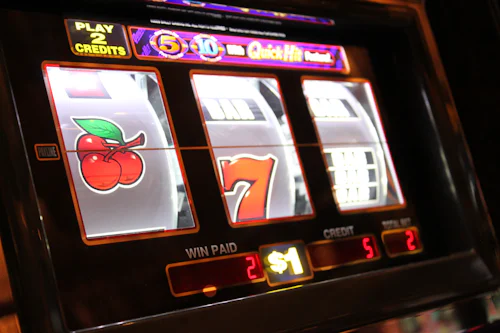
As casinos began to spread beyond Europe, especially to the United States, the industry underwent significant transformations. The opening of casinos in Las Vegas in the early 20th century marked a turning point, as these venues offered grand experiences infused with entertainment, dining, and live shows. This era introduced the concept of themed casinos, creating immersive environments that catered to diverse tastes, fundamentally changing the landscape of gambling as entertainment.
The Digital Revolution in Gambling
The advent of the internet in the late 20th century heralded a new era for casino games. Online casinos emerged in the 1990s, changing the way players engaged with their favorite games. This innovation allowed users to access a wide array of games from the comfort of their homes, leading to a surge in popularity. The convenience and accessibility of online gambling attracted a new generation of players, making it a global phenomenon.
Online casinos introduced various innovations, including live dealer games that replicate the experience of traditional casino gaming. Players can interact with real dealers through video streaming, bringing the social aspect of gambling into the digital realm. This blend of technology and personal interaction has made online gambling a competitive alternative to brick-and-mortar casinos, appealing to a broad audience with different preferences and lifestyles.
Moreover, the evolution of mobile gaming has revolutionized the industry further. With the rise of smartphones and tablets, players can now enjoy casino games anywhere and anytime. The development of mobile-friendly platforms has led to an increase in game variety, offering everything from classic card games to immersive slots and innovative virtual experiences. This adaptability has ensured the continued growth of the industry, keeping it relevant in an increasingly digital world.
The Influence of Technology on Casino Games
Technology continues to play a significant role in shaping the future of casino games. Innovations such as virtual reality (VR) and augmented reality (AR) are beginning to transform the gaming experience into something more immersive. These technologies allow players to step into a virtual casino environment, enhancing interaction and engagement. The incorporation of VR could redefine social gaming, drawing players together in a shared, yet virtual, space.

Additionally, advancements in data analytics and artificial intelligence are revolutionizing how casinos operate and market their games. By analyzing player behavior and preferences, casinos can tailor their offerings to meet the specific needs of their customers. This level of personalization enhances user experience and loyalty, ultimately driving business success. The ability to predict trends and adjust offerings in real-time has become a crucial part of modern casino management.
Blockchain technology has also started making waves in the gambling industry, particularly concerning security and transparency. By utilizing decentralized ledgers, casinos can offer provably fair games, giving players assurance that outcomes are not manipulated. This level of transparency can significantly build trust with players, who are becoming increasingly concerned about fairness and security in their gambling experiences.
Exploring the Future of Casino Gaming
The future of casino games is poised for exciting developments as technology continues to evolve and shape the gaming landscape. With the rise of esports and competitive gaming, many casinos are beginning to embrace these trends, integrating gaming competitions into their offerings. This shift reflects a growing recognition of gaming as a significant form of entertainment that attracts younger audiences, expanding the traditional demographic of casino-goers.
Moreover, as regulations around online gambling become more refined, there is a strong potential for growth in the legal betting market. As more states and countries recognize the economic benefits and regulate gambling practices, a new wave of opportunities will emerge for both traditional and online casinos. The fusion of these platforms will likely lead to hybrid models that combine the best features of both experiences.
With all these advancements, the essence of casino gaming will undoubtedly remain rooted in the thrill of chance and the excitement of competition. As the industry navigates through technological innovations and changing consumer preferences, it will continue to adapt, ensuring that casino games remain a vital part of global entertainment culture.